

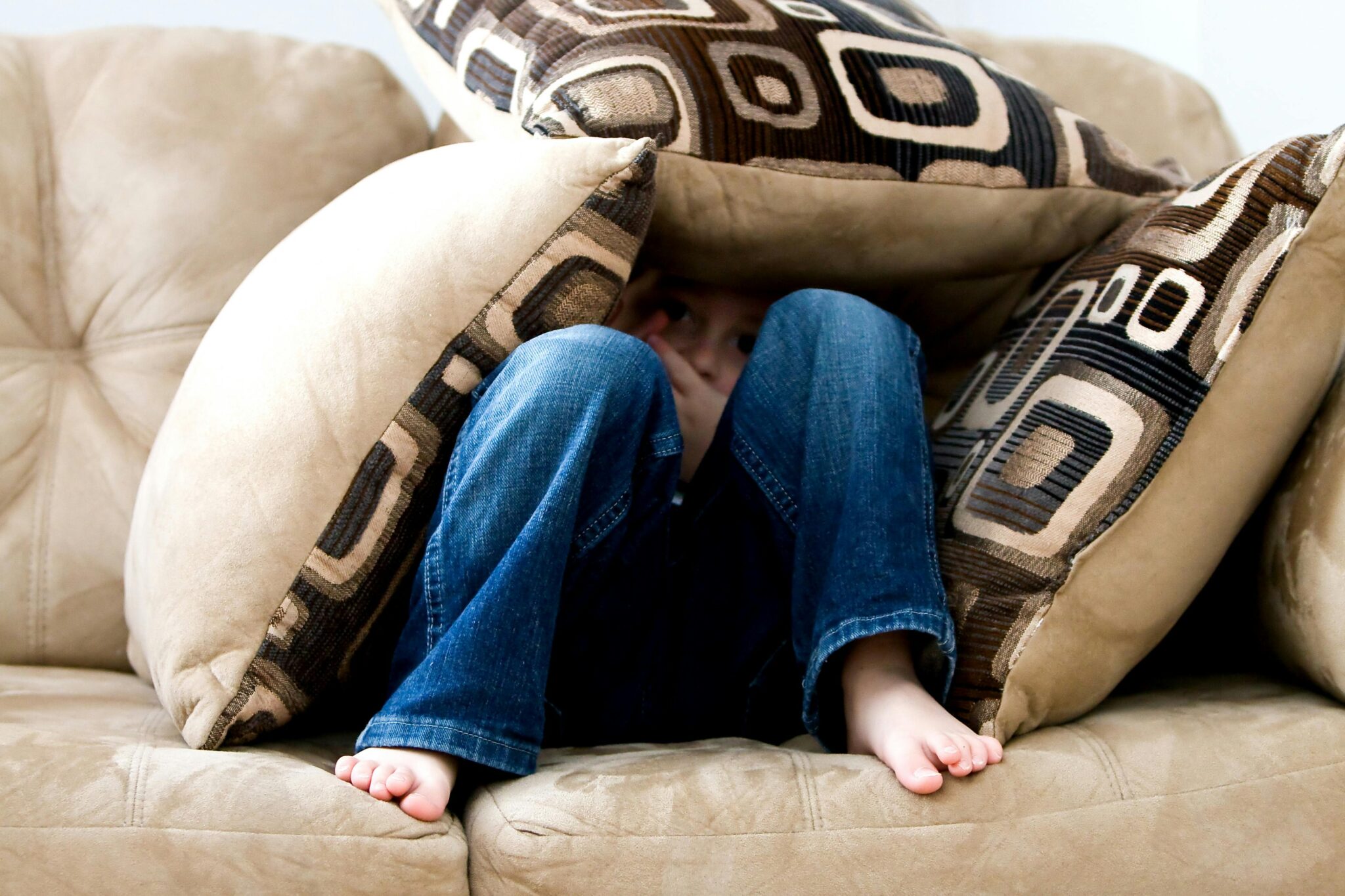
Phobias are a type of anxiety disorder characterized by intense, persistent, and disproportionate fear of a specific object, situation, or activity that poses little or no actual danger.
According to the Diagnostic and Statistical Manual of Mental Disorders published by the American Psychiatric Association, a phobia involves marked fear or anxiety about a specific stimulus, which almost always provokes immediate fear and leads to avoidance or significant distress.
While many people experience temporary fears, phobias:
- Persist for six months or longer
- Trigger immediate anxiety responses
- Cause significant impairment in daily life
- Often lead to avoidance behaviors
Phobias are among the most common anxiety disorders and are highly treatable (National Institute of Mental Health).
Types of Phobias
Phobias are generally divided into Specific Phobias and more complex anxiety-related phobias.
1. Specific Phobias
Specific phobias involve intense fear of a particular object or situation. They are grouped into categories based on the type of trigger.
Animal Type
Fear of specific animals, such as:
- Spiders (arachnophobia)
- Snakes (ophidiophobia)
- Dogs (cynophobia)
Natural Environment Type
Fear related to natural phenomena, including:
- Heights (acrophobia)
- Storms (astraphobia)
- Water (aquaphobia)
Situational Type
Fear triggered by specific situations, such as:
- Flying (aviophobia)
- Enclosed spaces (claustrophobia)
- Driving (vehophobia)
Blood-Injection-Injury Type
Fear involving:
- Seeing blood
- Receiving injections (trypanophobia)
- Medical procedures
This subtype is unique because it may involve a vasovagal response, where blood pressure drops and fainting may occur.
Complex Phobias
Complex phobias involve broader patterns of anxiety and can be more functionally impairing.
Social Anxiety Disorder (Social Phobia)
Social Anxiety Disorder involves intense fear of being judged, embarrassed, or negatively evaluated in social situations. It is classified separately in DSM-5-TR but historically referred to as “social phobia.”
(See: Diagnostic and Statistical Manual of Mental Disorders)
Agoraphobia
Agoraphobia involves fear of situations where escape may be difficult or help unavailable if panic-like symptoms occur.
This may include:
- Open spaces
- Crowded areas
- Public transportation
- Being outside the home alone
Agoraphobia can significantly restrict mobility and independence.
Symptoms of Phobias
Phobias activate the body’s fight-or-flight response, even when the threat is minimal or absent.
Common symptoms include:
- Rapid heartbeat
- Shortness of breath
- Sweating
- Trembling or shaking
- Nausea or dizziness
- Intense feelings of panic or dread
- Strong urge to escape
- Avoidance behaviors
Neurobiological research suggests heightened reactivity in the amygdala and related fear-processing circuits may contribute to phobic responses (LeDoux, 2000).
What Causes Phobias?
The development of phobias is influenced by a combination of biological, psychological, and environmental factors.
Genetics
A family history of anxiety disorders increases vulnerability.
Brain Function
Differences in fear-processing circuits and neurotransmitter systems may contribute.
Traumatic Experiences
Direct exposure to a traumatic event related to the feared object or situation can trigger a phobia.
Learned Responses
Observational learning — such as witnessing others respond fearfully — can also shape phobic reactions.
Phobias are often maintained by avoidance, which temporarily reduces anxiety but reinforces fear over time.
Diagnosis
A phobia is diagnosed through a comprehensive clinical evaluation.
According to the Diagnostic and Statistical Manual of Mental Disorders, diagnosis requires:
- Immediate fear response to the stimulus
- Active avoidance or endurance with intense distress
- Fear that is disproportionate to actual danger
- Duration of six months or more
- Significant impairment in functioning
Proper assessment helps distinguish phobias from normal fears or other anxiety disorders.
Evidence-Based Treatment
The good news: Phobias are highly responsive to treatment.
Clinical guidelines from the National Institute for Health and Care Excellence recommend psychological therapy as first-line treatment.
✔ Cognitive Behavioral Therapy (CBT)
CBT is the most extensively researched treatment for phobias (Hofmann et al., 2012).
It helps individuals:
- Identify irrational beliefs
- Reduce catastrophic thinking
- Build coping skills
✔ Exposure Therapy
Exposure therapy — a structured form of CBT — is considered the gold standard for specific phobias.
It involves gradual, repeated exposure to the feared object or situation in a controlled and safe way. Over time, anxiety decreases through a process known as habituation and inhibitory learning (Craske et al., 2014).
✔ Medication
Medication is not typically first-line for specific phobias but may be used in certain cases:
- SSRIs or SNRIs
- Short-term anti-anxiety medications
- Beta-blockers (for performance-related fears)
Medication decisions should always involve a qualified medical provider.
✔ Self-Help and Supportive Strategies
Supportive approaches may include:
- Relaxation techniques
- Mindfulness practices
- Gradual self-directed exposure
- Support groups
While helpful, these strategies are most effective when combined with structured therapy for persistent phobias.
Outlook and Recovery
Without treatment, phobias can become chronic and increasingly restrictive due to avoidance patterns.
With appropriate intervention, many individuals experience significant improvement and can dramatically reduce fear responses.
Early treatment improves long-term outcomes and prevents unnecessary life limitations.
A Compassionate Reminder
Phobias are not a sign of weakness.
They are learned fear responses that can be unlearned.
With structured support and evidence-based care, it is entirely possible to regain confidence and expand your world.
Clinical References
- American Psychiatric Association. (2022). Diagnostic and Statistical Manual of Mental Disorders (5th ed., Text Revision).
- National Institute of Mental Health. Specific Phobia overview.
- National Institute for Health and Care Excellence. Anxiety disorders clinical guidelines.
- Craske, M. G., et al. (2014). Maximizing exposure therapy. Behaviour Research and Therapy.
- Hofmann, S. G., et al. (2012). The efficacy of CBT: A review of meta-analyses. Cognitive Therapy and Research.
- LeDoux, J. (2000). Emotion circuits in the brain. Annual Review of Neuroscience.
